BJJ & Injury Management
Stay on the mats longer with practical injury prevention, smarter recovery strategies, and BJJ-specific strength training. Learn how to train sustainably, reduce setbacks, and build longevity for years of healthy grappling.


Jamie Murray
Co—Owner and Head Coach
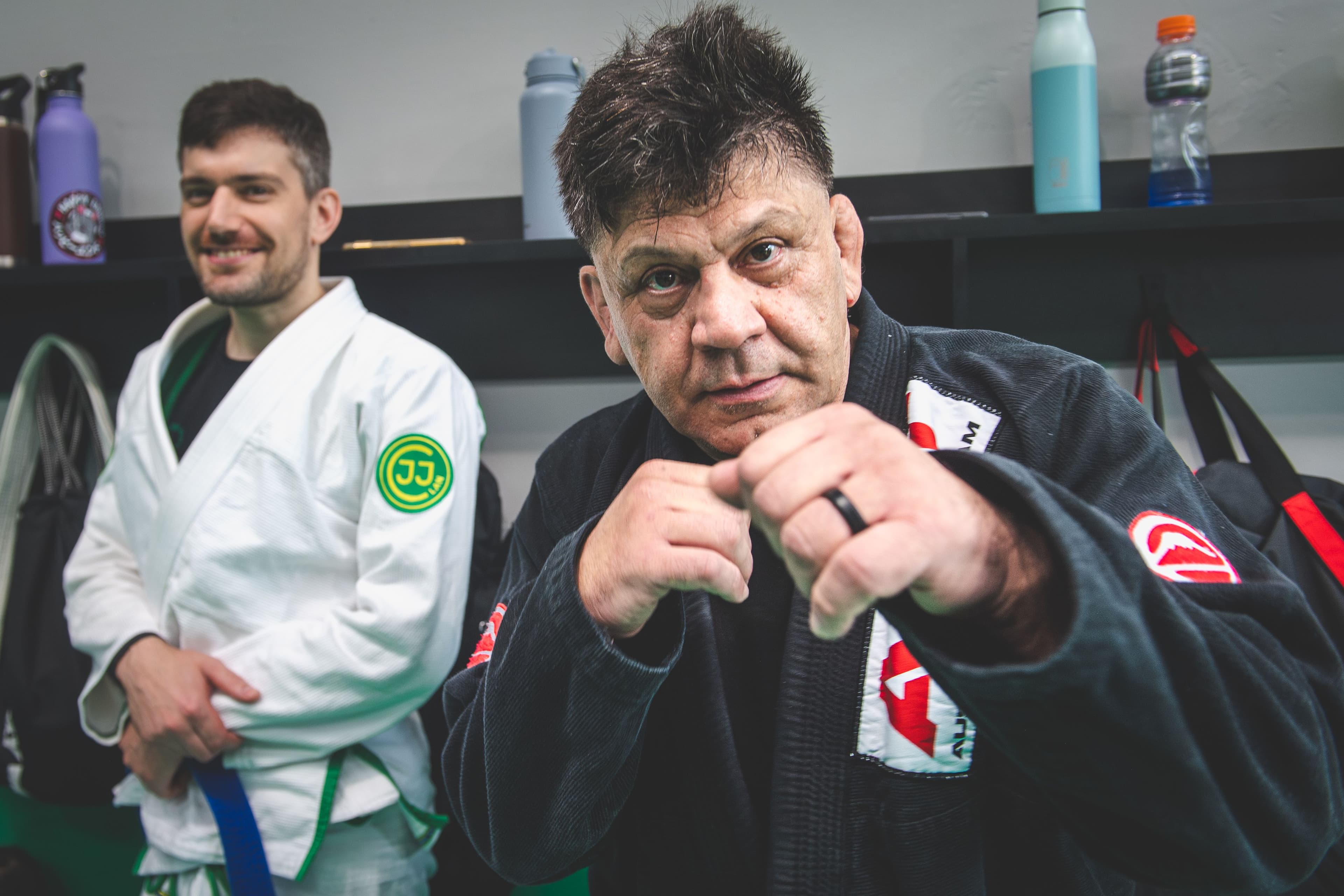
Jamie A. Murray is the co-owner and head coach of Renegade BJJ Academy in Kensington, a thriving martial arts gym serving Melbourne’s inner-west since 2010. A third-degree Brazilian Jiu-Jitsu black belt with the Australian Elite Team, Jamie is passionate about using grappling to foster positive change across Kensington, the Western suburbs and beyond.
He is a Ridley Theological College graduate and a seasoned competitor in national and international BJJ tournaments. Jamie has coached students to the highest levels of the sport, including the UFC, and continues to compete himself.
At Renegade BJJ, Jamie champions a culture of care, learning, and community, creating a supportive space where people of all levels can grow through the discipline and lifestyle of BJJ.
The Long Game for Longevity and Performance
Injuries are often described as the "ghost that haunts the mats" in Brazilian Jiu-Jitsu (BJJ). Whether you are a competitive athlete or a weekend warrior, the reality is that nearly 90% of practitioners will encounter some form of injury during their journey of training in BJJ classes. From minor finger sprains to significant joint issues, these setbacks can be frustrating. However, at Renegade BJJ, we believe an injury doesn't have to be the end of your progress; it can be a catalyst for moving more efficiently and training smarter.
For those training over the age of 50, longevity is the primary goal. Staying on the mats for BJJ classes requires a tactical shift from "surviving" every round to managing your body’s training load with precision.
Tactical Injury Prevention: Playing Smart on the Mats
The best way to manage an injury is to prevent it before it happens. Most acute injuries in BJJ classes occur during high-impact situations or when ego overrides technical control.
- Limit Takedowns: Data suggests a high percentage of significant BJJ injuries happen during standing exchanges. If you are managing a nagging tweak or are simply focused on long-term joint health, consider starting your rounds from a seated position or focusing on technical ground transitions.
- The "Red Tape" Protocol: At our Renegade BJJ academy, "red tape" serves as a universal visual signal. By wrapping a small piece of red athletic tape around an injured finger, wrist, or ankle, you provide a clear, non-verbal cue to your training partners. It tells them: "Don’t grab here, and don't put unnecessary pressure on this spot."
- Selective Partner Picking: Every roll is a shared responsibility. Prioritise training with higher-graded students, purple, brown, and black belts. These practitioners generally possess the technical control to "flow roll" or drill with intensity without resorting to the "spazzy" movements that lead to accidents.
- Specific Warm-ups: Never step onto the mat cold. A "BJJ-specific" warm-up should prime the nervous system and joints using movements like technical stand-ups, shrimping, and hip bridges. This increases blood flow to the connective tissues, making them more resilient to the stresses of grappling.
The 50+ Strategy: The "90% Rule" for Recovery
As we age, our recovery capacity changes. What worked in your 20s, training six days a week at maximum intensity, will lead to burnout or injury in your 50s. Longevity is built on a sustainable cadence.
Training Intensity Zones
- The 50–70% Learning Zone: You should spend 90% of your training time in this zone. This is exploratory rolling where you focus on technique, leverage, and breathing rather than "winning" the round. It allows you to develop the "physical chess" aspect of BJJ while keeping your heart rate and joint stress manageable.
- The 90% Intensity Cap: High-intensity "competition style" rounds are valuable but taxing. Limit these to once a week maximum. This ensures you keep your "edge" without overloading your central nervous system or accumulating chronic fatigue.
Structuring the Week of BJJ Classes
A proven structure for older grapplers is the "2 Days On, 1 Day Off" cycle. This day off isn't just about sitting on the couch; it’s about active rest. Low-impact activities like swimming or cycling promote circulation and aid muscle repair without the jarring impact of the mats.
Building a Bulletproof Body Off the Mats
Supplemental strength training is one of the most effective "prehab" tools available. Weights are not just for bodybuilding; they create a protective "armour" around your joints.
Why Machines for Longevity?
While barbells and kettlebells are excellent for functional strength, machines and cables are often superior for injury prevention in older athletes. They provide a fixed plane of motion, reducing the risk of a weight "dropping" or shifting unexpectedly, which is crucial if you are already recovering from a BJJ injury.
The Push/Pull/Legs Program for BJJ Training
Aim for one focused session per week, prioritising form and high-rep endurance to balance out the explosive demands of BJJ.
- Push: Machine Chest Press, Cable Lateral Raises, Tricep Extensions.
- Pull: Lat Pulldowns, Seated Cable Rows, Face Pulls (for shoulder health).
- Legs: Leg Press, Hamstring Curls, Calf Raises.
Repetition Combinations:
Using a variety of rep ranges ensures you target different muscle fibers and build systemic resilience:
- Set 1: 8–10 reps (Strength focus)
- Set 2: 5–8 reps (Controlled power)
- Set 3: 15–25 reps (Endurance and joint flushing)
The Professional Maintenance Layer
To truly stay ahead of injuries, you must treat your body like a high-performance machine.
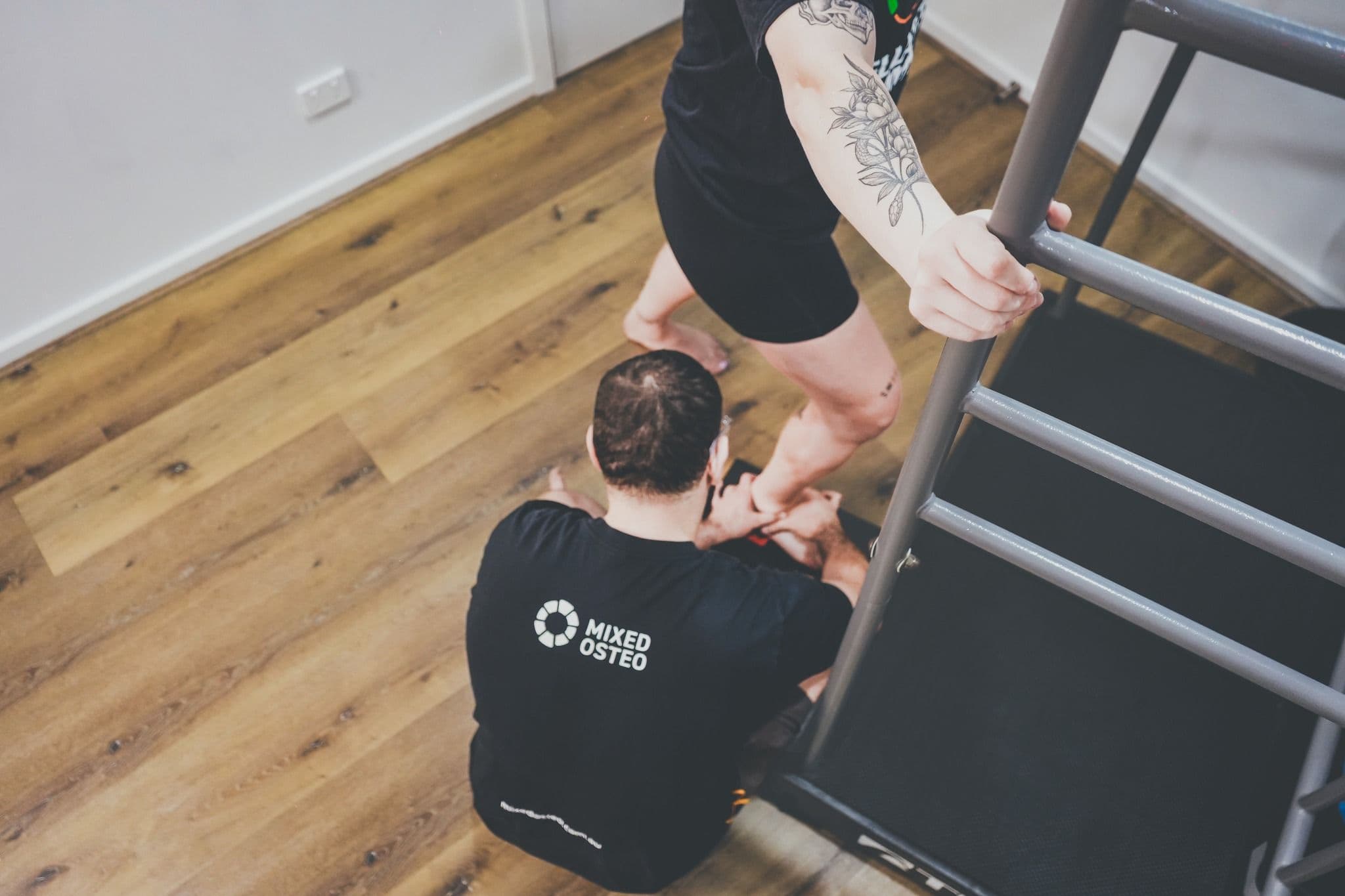
- Regular Osteo/Physio Visits: Don't wait until you can't walk to see a professional. Regular visits to a BJJ-aware practitioner can help identify imbalances in your hips or shoulders before they manifest as a "pop" on the mat.
- Listen to the Body: This is the most underrated skill in BJJ. If you wake up and your joints feel "glassy" or your motivation is unusually low, take a spontaneous rest day. Missing one class is a minor setback; missing three months due to a preventable tear is a disaster.
- Tapping Early and Often: Especially as you get older, there is no prize for escaping a fully locked-in armbar. Treat every tap as a "note" in your training journal rather than a loss.
Conclusion: The Journey is the Destination
BJJ is a marathon, not a sprint. By implementing "red tape" strategies, respecting your intensity zones, and supporting your grappling with smart strength work, you can continue to enjoy the mental and physical benefits of the art for decades. Whether you are 20 or 50, the goal is the same: to be better today than you were yesterday, and to be healthy enough to do it again tomorrow.
Ready to join a community that values longevity and technical excellence? Book your first free class at Renegade BJJ in Kensington today!
Looking for high quality BJJ Classes near me in Kensington or Melbourne?
Send an email to info@renegadebjj.com.au and join us for a free BJJ class.