Learning to Taper for a BJJ Comp
Learning to taper for a BJJ competition can be the difference between peak performance and injury. This piece shares hard-earned lessons on reducing training volume, managing travel and jetlag, and arriving fresh, focused, and ready to perform on competition day.


Jamie Murray
Co—Owner and Head Coach
Jamie A. Murray is the co-owner and head coach of Renegade BJJ Academy in Kensington, a thriving martial arts gym serving Melbourne’s inner-west since 2010. A third-degree Brazilian Jiu-Jitsu black belt with the Australian Elite Team, Jamie is passionate about using grappling to foster positive change across Kensington, the Western suburbs and beyond.
He is a Ridley Theological College graduate and a seasoned competitor in national and international BJJ tournaments. Jamie has coached students to the highest levels of the sport, including the UFC, and continues to compete himself.
At Renegade BJJ, Jamie champions a culture of care, learning, and community, creating a supportive space where people of all levels can grow through the discipline and lifestyle of BJJ.
Introduction: Avoiding Injury, Managing Travel, and Peaking at the Right Time
When you’re training for a Brazilian Jiu-Jitsu competition, it’s easy to think that the more you do, the better you’ll perform. We’ve all been there, pushing hard, rolling every night, doing “just one more round” even when your body’s screaming for rest.
But over time, I’ve learned that success in competition isn’t just built in those high-intensity training blocks. It’s built in the taper, the period where you deliberately pull back, let the body recover, and prepare yourself physically and mentally to perform.
Whether you’re training out of BJJ classes in Kensington or finding the right BJJ classes near me for your next camp, understanding how to taper (and how to travel smart if your comp’s overseas) can make or break your performance on the mats when rolling Brazilian Jiu Jitsu.
The Hard Lesson: Cracking a Rib as a Blue Belt in a BJJ Class
When I was a blue belt, I made every mistake possible before a comp. I was preparing for the state championships over 20 years ago, training like a man possessed, extra sessions, extra wrestling, zero rest. On the Tuesday before the comp, during a wrestling class, I went for a takedown, twisted wrong, and heard the unmistakable pop of a cracked rib.
It was brutal. I could barely breathe properly, but I still competed. I taped it up, gritted through, and somehow made it to the end, but it wasn’t smart. That moment taught me something I still repeat to my students and teammates today:
“In the final week before a BJJ comp, you can’t get any better, you can only get injured.”
That experience completely changed how I approach competition prep, travel, and recovery in BJJ classes leading up to comp day.
Why Tapering Matters
Tapering isn’t about doing less for the sake of it, it’s a strategic reduction in training load that helps your body absorb the gains from the previous weeks. In sports like running, cycling, and powerlifting, athletes who taper effectively perform better, recover faster, and avoid injury.
In BJJ, tapering helps you:
- Reduce fatigue while maintaining sharpness.
- Heal from minor injuries and inflammation.
- Mentally reset and focus on your game plan.
- Avoid overtraining and late-stage burnout.
If you’ve been putting in the work at BJJ classes in Kensington, or BJJ classes wherever you train, the taper phase is your reward, a chance to let the body adapt and show what it’s capable of on a BJJ comp day.
My Current Taper Routine for BJJ
After years of competing, I’ve dialled in a tapering process that works for me, one that balances activity, recovery, and mental readiness.
A Full Week Off Rolling Before a BJJ Comp
Now, I take a full week off rolling before competition. I keep my cardio up, but I don’t do any hard sparring or live rounds. Early on, I worried that I’d lose my timing or sharpness. Now I know the truth: if you’ve trained consistently, you won’t lose your edge in a week, but you could lose your chance to compete if you get hurt.
The Final Week Before Comp: My Daily Plan
Working backward from competition day:
- 1 Day Before: Total rest. I’ll do light movement or stretching if I feel tight, but otherwise I just relax and hydrate.
- 2 Days Before: I book a massage or osteo session to loosen up any tightness and make sure my body feels free.
- 3 Days Before: Light steady-state cardio, maybe a walk, a bike ride in the gym, or slow stair climbers, just enough to move and nothing knew.
- 4 Days Before: My last hard push — an intense interval cardio session. I use to love hill sprints, but these days I prefer the assault bike or some laps in the pool.
- 5–7 Days Before: Focus on mobility, breathing work, and mental prep. Visualise grips, passes, and scenarios I’ve drilled a hundred times at BJJ classes near me. Continue my lifting routine with a de-load mentality week in mind with low weights and slow movements on machines and cables.
This routine helps me stay sharp without risking injury.
Travel and Tapering: The Jetlag Factor for BJJ
When you start competing overseas, tapering becomes even more important, not just for your muscles, but for your recovery from travel and jetlag.
Las Vegas: Walking the Strip Instead of Rolling BJJ
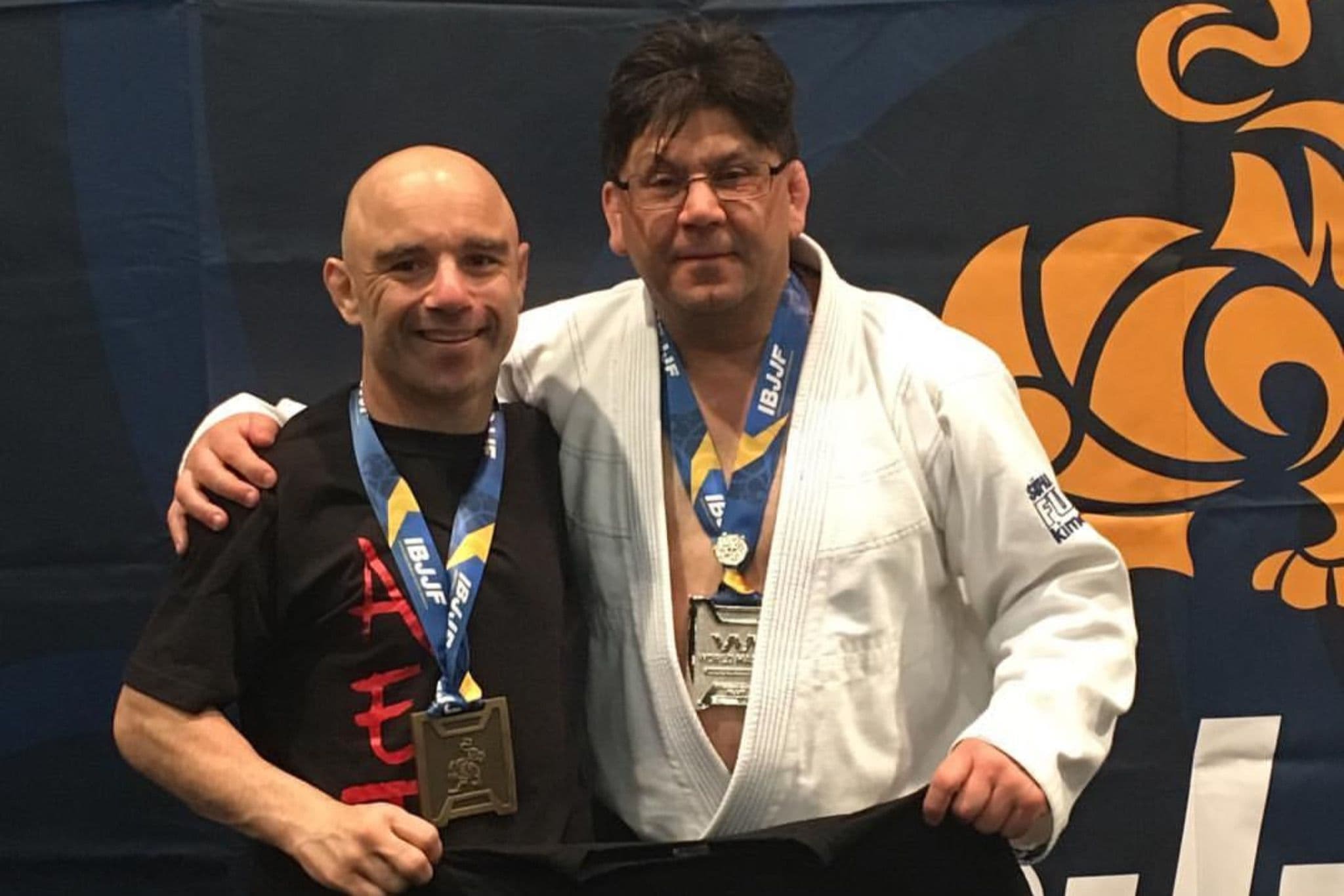
When I competed in Las Vegas, I went a week early. The time difference can hit hard, and your first instinct could be to find an open mat and train right away. But I’ve learned that the best way to adjust is through movement, hydration, and rest, not through smashing yourself on the mats.
So that week, I just walked. Every day. Miles up and down the Strip, exploring, eating well, stretching, and drinking a ton of water. It kept my weight stable, helped me acclimate to the new time zone, and kept me moving without stress.
By comp day, I felt fresh, not drained from trying to “squeeze in” last-minute rolls.
Japan: Managing the Salt and Sugar for BJJ Competition

Japan was a completely different story. I underestimated how much sodium and sugar are hidden in Japanese food, even things that seem clean, like sushi and soups, can throw your weight off.
A few days before the comp, I realised I was holding extra water. So, I did a salt bath session in my hotel to help balance my weight back down. It worked, but it was a good reminder that travel nutrition can mess with your cut.
That’s why I now plan for these things, I monitor my weight every morning, keep hydrated, and avoid high-sodium foods leading into weigh-ins.
Portugal 2026: Planning Ahead for the Europeans BJJ Competition
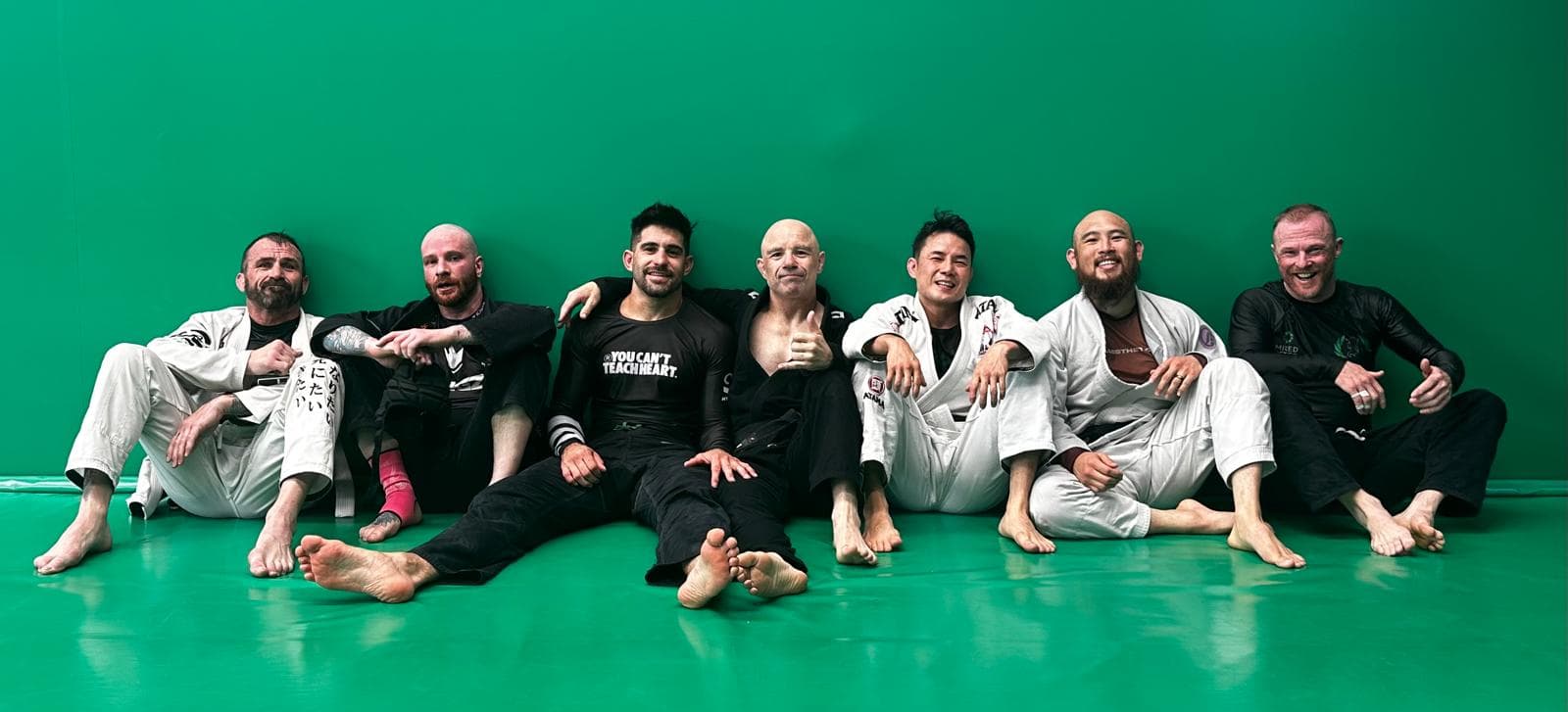
In January 2026, I’ll be heading to Portugal for the European BJJ Championships. It’s one of the biggest comps on the calendar, and I’ll be competing at featherweight (under 70kg in the Gi).
My plan is to arrive in Lisbon a full week early. That extra time will let me:
- Recover from the 20+ hour flight and jetlag.
- Walk, stretch, and hydrate to keep the body moving.
- Taper effectively with light cardio and mobility work.
- Dial in my weight without rushing into drastic cuts.
That 7–10 day buffer has become a crucial part of my overseas comp prep. It’s not a holiday, it’s controlled recovery. I use those days to do loads of walking, get my body aligned, sleep properly, and settle into a rhythm before competition day.
The Week After: Letting the Body Reset after a BJJ Competition
Just like I take a week off before competing, I now take a full week off afterward. Competition days take more out of you than you realise, the adrenaline dumps, the high intensity, and the emotional rollercoaster all add up.
In that post-comp week, I don’t rush back to training. Instead, I:
- Walk every day to stay loose.
- Drink plenty of water and eat nutrient-rich foods.
- Stretch and mobilise, especially hips and lower back.
- Reflect on what went well and what to improve for next time.
When I finally return to BJJ classes in Kensington, I’m not dragging myself through sessions, I’m ready to train again.
Lessons from Other Sports that help BJJ Classes
The tapering strategies we use in BJJ aren’t unique, they’re rooted in what’s been proven to work across sports.
- Endurance athletes reduce volume but maintain intensity to peak at the right time.
- Powerlifters and sprinters drop workload to let their nervous system recover.
- Team sport athletes use taper weeks to restore speed and reaction time.
For grapplers, that same principle applies: less volume, same intensity, better freshness.
Final Thoughts: Smart Prep Wins in BJJ
If there’s one thing I’ve learned through years of competing, from local comps to international tournaments, it’s this: success comes from smart preparation, not just hard work.
You build your foundation on the mats, in the academy, and at your BJJ classes near me, but you fine-tune your performance through tapering, recovery, and travel management.
So next time you’re prepping for a BJJ comp, whether it’s down the road or across the world, remember:
- Taper smart.
- Travel early.
- Move, stretch, hydrate.
- Let your body and mind recover.
Your goal isn’t just to make it to the mats, it’s to show up at your best when it matters most.
Train hard, rest smart, and I’ll see you out there, maybe in Lisbon in 2026, walking off jetlag and chasing that featherweight medal.
Looking for high quality BJJ Classes near me in Kensington or Melbourne?
Send an email to info@renegadebjj.com.au and join us for a free BJJ class.